Operational Checklist for Self-Service Laundromats: Utility Planning, Flow, and Compliance
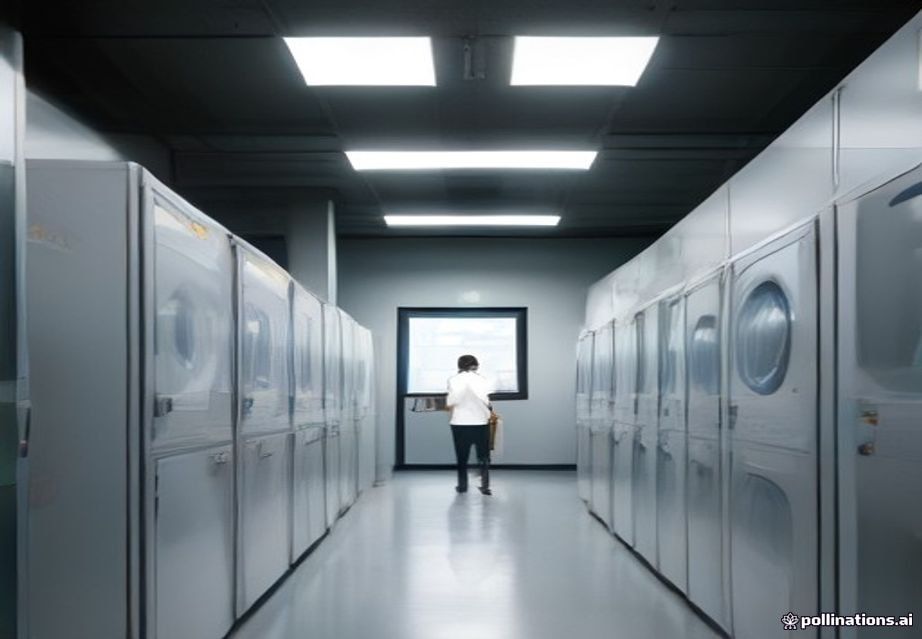
Key Takeaways for Investors: Operational Pillars of Laundromat Success
For the busy property owner or investor, running a self-service laundromat is not simply about installing machines; it is a complex utility, flow, and regulatory management system. Before committing capital, focus on these three operational pillars. Mastering them minimizes utility surprises, maximizes customer throughput, and ensures long-term profitability.
- Utility Capacity: Never assume existing infrastructure can handle the load. Treat electrical and plumbing assessments as the highest priority cost center. Underestimating load capacity is the single fastest way to derail a project budget.
- Flow Optimization: Design the layout based on customer movement, not just machine placement. Efficient zoning (detergent stations, folding areas, payment kiosks) directly correlates to higher customer satisfaction and perceived value.
- Compliance & Resilience: Build in redundancies for water management (greywater potential) and adhere strictly to ADA and fire codes. Proactive compliance reduces insurance costs and operational downtime.
Assessing Utility Load Capacity: The Technical Foundation
The most common failure point in laundromat development is inadequate utility planning. Laundromats are high-density, high-draw commercial operations. A superficial assessment can lead to costly, emergency upgrades—often involving service panel replacements, transformer installations, and major plumbing overhauls.
Electrical Load Calculation Checklist (Must-Haves)
Do not simply sum the wattage of all machines. You must calculate the peak simultaneous load and account for startup surge capacity.
- Service Entrance Amperage: What is the minimum required service amperage (e.g., 400A, 600A)? This determines the size of the main service panel and utility tie-in point.
- Appliance Wattage: Calculate the running wattage (kW) for washers and dryers.
- Startup Surge: Account for the momentary, high-amperage draw when large motors (especially dryers) kick on. This surge capacity must be factored into the main breaker panel sizing.
- HVAC/Lighting Load: Do not forget the constant draw from commercial HVAC units, dehumidifiers, and high-output commercial lighting (LED fixtures).
- Future Proofing: Always budget 15-20% of the total electrical budget for future expansion (e.g., adding a new zone or specialized equipment).
Plumbing and Water Management
Washing machines are the primary water consumers. The system must be designed for high flow rates and efficient drainage.
- Water Pressure: Confirm the required minimum PSI (Pounds per Square Inch) at the point of use. Low pressure can significantly impact the efficiency and cycle time of commercial washers.
- Drainage Capacity: Assess the existing sewer line's capacity. High-volume, continuous discharge requires careful grading and potentially dedicated grease traps or flow regulators, depending on local codes.
- Water Quality: Understand the local water hardness and potential mineral content. This impacts machine longevity and requires proper water treatment planning (e.g., scale inhibitors).
Optimizing Customer Flow and Throughput
The physical layout dictates the user experience. A poorly designed flow can create bottlenecks, leading to frustrated customers who may abandon the facility, regardless of the machine quality.
Zoning and Circulation Mapping
Think of the customer journey in distinct zones, moving from entry to exit.
- The Drop-Off Zone (Entry): This area must be immediately visible and welcoming. Place payment kiosks, change machines, and initial signage here. It should be spacious enough to handle multiple users simultaneously without congestion.
- The Wash Zone (The Core): Group washers and dryers logically. Use clear directional signage. Consider grouping machines by size or cycle type (e.g., delicates vs. heavy duty).
- The Utility Zone (Mid-Area): This is the designated spot for detergent, softener, and laundry supplies. It must be easily accessible but should not impede the primary flow path between washers and dryers.
- The Folding/Exit Zone: This area requires ample, comfortable, and durable seating. It should be separated slightly from the active washing zone to reduce noise and allow customers to complete their task without feeling rushed.
Machine Density and Spacing
While maximizing machine count is desirable, sacrificing necessary aisle space is detrimental. Adhere to minimum clearance standards (typically 36–48 inches) in all primary walkways to accommodate wheelchairs, carts, and peak-hour congestion.
Compliance and Safety Protocols: Mitigating Risk
Operational excellence requires rigorous adherence to safety and building codes. These are non-negotiable costs that protect the asset and the operator.
Fire and Electrical Safety
- Fire Suppression: Confirm the placement and capacity of fire extinguishers and sprinkler systems, especially in areas storing chemicals or textiles.
- Electrical Overcurrent Protection: Ensure that all circuits are properly labeled and protected by appropriately sized circuit breakers. Never rely on temporary or ad-hoc wiring solutions.
- Chemical Storage: Designate a secure, ventilated, and fire-rated storage area for all cleaning chemicals and detergents, separate from the machine area.
ADA Compliance and Accessibility
Beyond ramps and accessible restrooms, ADA compliance extends to the operational flow.
- Machine Access: Ensure that washers and dryers can be operated and accessed by individuals using mobility aids. This may require specific placement or modifications to machine pedestals.
- Signage: All signage (directional, emergency exit, machine instructions) must be at appropriate heights and contrast levels.
Advanced Infrastructure Planning: Maximizing ROI
For modern, high-investment laundromats, utility planning must extend beyond basic function. Incorporating sustainable and energy-efficient systems significantly boosts the long-term ROI.
Greywater Recycling Systems
Implementing a greywater system—which collects and filters water from the washing machines for non-potable uses (like flushing toilets or pre-rinsing)—is a powerful cost-mitigation strategy.
- Financial Benefit: Depending on local water rates and disposal fees, greywater recycling can reduce monthly utility expenditures by 25% to 40%. The initial capital outlay is significant, but the payback period often falls within 3 to 6 years, making it a compelling investment for large-scale operators.
- Operational Benefit: It provides a hedge against future municipal water rate increases and water scarcity regulations.
Energy Management and HVAC
- Heat Recovery: Investigate heat recovery exchangers on the dryer exhaust system. Capturing and reusing waste heat can significantly lower the HVAC load and operating costs.
- Dehumidification: Commercial laundromats generate massive amounts of humidity. A robust, energy-efficient dehumidification system is crucial not only for comfort but also for preventing mold, mildew, and structural damage to the building envelope.
When developing a commercial facility, understanding these interconnected systems is critical. For instance, the type of HVAC system required is directly linked to the amount of steam or heat generated by the washing process, creating a complex feedback loop that must be modeled accurately. This level of detailed planning is why many commercial operators rely on specialized expertise; we recently guided a client through the utility planning phase for a multi-unit laundromat complex, ensuring they avoided major costly overruns by modeling peak load fluctuations. If you are evaluating the scope and feasibility of a commercial project, understanding the operational checklist for self-service laundromats is your first, most critical step.
Ultimately, the goal of the operational checklist is to transform a collection of machines into a highly efficient, resilient, and profitable commercial service. By meticulously addressing utility capacity, optimizing customer flow, and proactively planning for sustainable infrastructure, you move beyond simple property management into true asset optimization. This comprehensive approach ensures that your investment can withstand the pressures of high-volume use, fluctuating utility costs, and evolving regulatory landscapes, guaranteeing sustained profitability for years to come.
Next Step
When you are ready to put this workflow into practice, thoroughly assessing the infrastructure needs of a commercial property is essential. Browse live listings to see properties that meet your operational criteria, or compare owner tools to help structure your investment strategy.
Ready to turn searches into booked jobs?
Real estate listings, owner tools, tenant workflows, and property operations in one platform.