Operational Checklist for Microbrewery Facilities: Utility Load, Steam, and Water Management
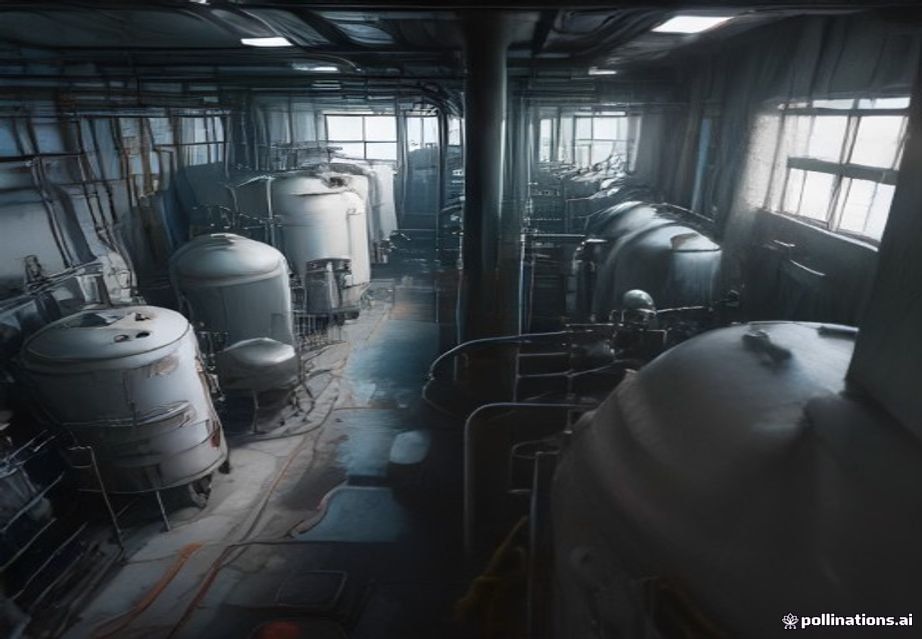
Pre-Buildout Utility Due Diligence: The Operational Checklist for Microbrewery Facilities
Before a single blueprint is drawn, the most critical phase for any commercial operator considering a microbrewery facility is the utility due diligence phase. This is not merely an architectural review; it is an engineering assessment of the site's capacity to handle highly specialized, cyclical, and intensive loads. Failure to accurately model these requirements—specifically steam generation, high-volume water treatment, and specialized HVAC—can lead to multi-million dollar delays, costly utility upgrades, and, ultimately, operational failure.
This operational checklist is designed for property managers, investors, and commercial operators who need to translate complex engineering jargon into actionable questions for your mechanical engineers and potential landlords. Our goal is to ensure the facility is not just possible, but profitable to operate.
Assessing Steam Generation and Thermal Loads
Steam is arguably the most complex and critical utility for a microbrewery. It is required not only for cleaning (CIP/COP) but also for pasteurization, boiling wort, and providing heat for ancillary processes like hot liquor tanks. The steam load is not static; it fluctuates dramatically depending on the production cycle.
Actionable Checklist Items:
- Steam Pressure and Volume: What is the guaranteed minimum operating steam pressure (PSI) and the maximum required flow rate (lbs/hr) during peak production? Do not accept the nameplate capacity; ask for the guaranteed operational capacity.
- Steam Trap Analysis: Does the current infrastructure include adequate steam traps, and are they sized correctly for the anticipated load? Undersized or faulty traps are a common failure point.
- Boiler Capacity and Fuel Source: What is the maximum rated capacity of the site’s boiler system? Furthermore, what fuel source (natural gas, propane, electricity) is available, and what are the associated connection costs and rate structures?
- Condensate Return: Where will the condensate (spent steam) be routed? Proper drainage and return lines are essential for energy efficiency and preventing system back-ups.
Operational Insight: Never assume the existing boiler system can handle the brewery's peak load. Often, the site requires a dedicated, oversized, and modern boiler system designed specifically for the brewery's unique thermal cycling patterns.
High-Volume Water Treatment and Quality Management
The water used in brewing is not simply "water"; it is a chemical input that dictates the final flavor profile of the beer. This necessitates sophisticated treatment, which significantly increases the utility load beyond simple potable water connections.
Key Utility Components to Verify:
- Source Reliability: Is the municipal water source reliable enough to handle high-demand industrial use, or will a dedicated well and advanced treatment system be required?
- Chemical Feed Capacity: The brewery requires continuous feeds of various chemicals (e.g., calcium carbonate, gypsum, acids) for pH balancing and mineral addition. The plumbing and electrical infrastructure must support these constant, specialized feeds.
The Non-Engineer’s Question: Instead of asking about BOD or TSS, ask the property manager: "What is the maximum volume and what is the expected chemical composition of the wastewater we will discharge, and who is responsible for upgrading the sewer connection to handle that load?"
Specialized HVAC and Ventilation Loads
Microbreweries generate immense amounts of heat, humidity, and specialized odors. The HVAC system must manage these variables simultaneously to ensure both employee safety and product quality.
Focus Areas for HVAC Assessment:
- Heat Load Mapping: Identify all major heat sources (boilers, fermentation tanks, cooling jackets). Calculate the total heat rejection (BTUs/hr) to ensure the cooling system is sized appropriately.
- Ventilation and Air Changes Per Hour (ACH): Due to yeast, hop, and cleaning chemical odors, the ventilation system must be robust. The design must incorporate dedicated, negative-pressure exhaust systems for specific areas (e.g., wash-up stations, grain storage) to prevent cross-contamination of air.
- Cooling Tower Capacity: If the process relies on large cooling jackets or chillers, the associated cooling tower must be assessed for both water intake and waste heat rejection.
Electrical Infrastructure and Power Quality
The electrical load is rarely a simple summation of equipment. It involves multiple, simultaneous, high-amperage draws that must be managed by a robust service entrance.
Electrical Checklist:
- Service Amperage: What is the maximum available service amperage (e.g., 480V, 3-phase)? This must account for the peak load of the main pumps, chillers, and boilers running simultaneously.
- Utility Service Upgrade Cost: Obtain a preliminary quote for the cost of upgrading the main service entrance. This is often the single most expensive pre-buildout cost.
- Power Quality: Are there requirements for specialized power conditioning? High-sensitivity equipment (like advanced fermentation control systems) may require uninterruptible power supplies (UPS) and dedicated feeders to protect against voltage fluctuations.
Key Takeaways for the Non-Engineer (Glossary of Operational Terms)
Utility planning is filled with acronyms. Use this cheat sheet to understand the jargon and translate it into simple, actionable questions for your team:
PSI (Pounds per Square Inch): A unit of pressure. Actionable question: "What is the guaranteed pressure of the steam line, and what is the acceptable fluctuation range?"* BOD (Biochemical Oxygen Demand): Measures the amount of oxygen required by microorganisms to decompose organic material (like beer waste). Actionable question: "How will the wastewater treatment system handle a high BOD load from the brewing process?"* TSS (Total Suspended Solids): Measures undissolved particles in the water (like spent grain fines). Actionable question: "What is the maximum allowable TSS in the wastewater discharge, and is pre-filtration required?"* N+1 Redundancy: A design principle meaning that if one piece of critical equipment (e.g., one chiller or one pump) fails, there is at least one backup unit available to maintain full operational capacity. Actionable question: "Are all critical systems designed with N+1 redundancy to prevent downtime?"*
***
The complexity of coordinating these utilities—steam, water, electricity, and waste—means that a microbrewery build-out is less of a construction project and more of a highly specialized industrial integration project. The risk of underestimating any single utility load is catastrophic. Failure to complete this rigorous due diligence results in multi-million dollar delays, mandatory utility upgrades that erode initial CapEx budgets, and potential operational failure before the first pint is poured. This makes comprehensive utility planning the single most critical pre-LOI (Letter of Intent) step.
When you are ready to put this workflow into practice and assess the utility capacity of potential industrial sites, browse live listings.
Ready to turn searches into booked jobs?
Real estate listings, owner tools, tenant workflows, and property operations in one platform.